The Meditation App Problem
It’s inevitable. If it hasn’t happened yet, it will. The subscription audit. Money gets tight, the bank statement gets scrutinized, and the purge begins. The meditation app goes first, followed by the language course and the gym membership nobody has used since January. What survives isn't the best or most valuable subscription. It's the streaming service, because the season finale is tonight and nobody in the house is letting that go.
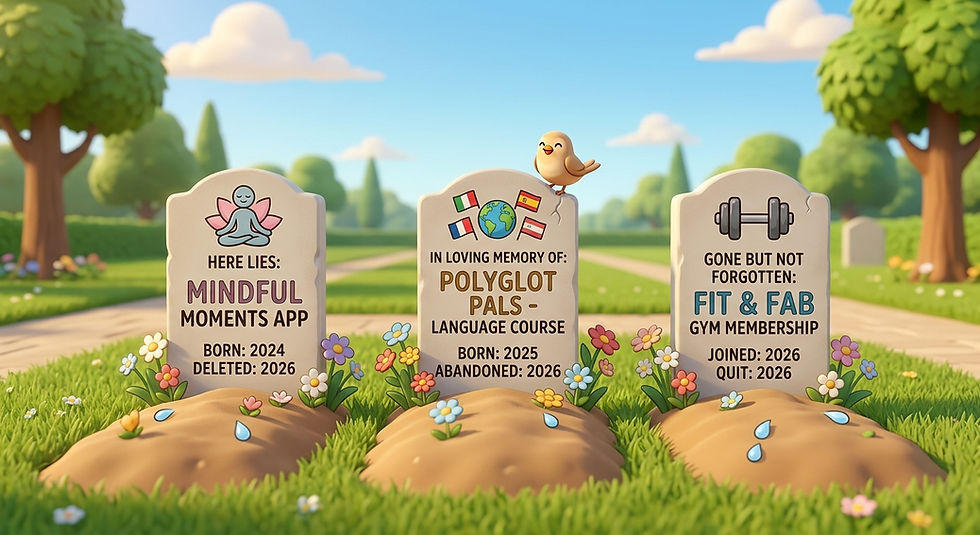
Organizations run the same audit whenever resources tighten and, quite often, organizational health initiatives go the way of the meditation app. Everyone agrees they're a good idea, but nobody argues when they're gone.
The usual diagnosis, a lack of leadership buy-in, isn't wrong. Executive sponsorship consistently tops the list of change success factors in benchmarking research. But the diagnosis has been around long enough that, if it were enough, it would have solved the problem by now. The fact is, most senior leaders support such initiatives, but support alone won't carry an initiative through a budget review.
The standard fix is also familiar: attach a KPI, because what gets measured gets managed. Which is half right. Measurement does shape behavior, but only when the measure sits somewhere the leader can't set aside.
Many organizations already tie executive pay to metrics like engagement and retention. But those metrics usually sit at the edge of the scorecard as discretionary modifiers, reviewed once a year and reported to leaders by HR rather than owned by the leaders themselves. That's the meditation app with a dashboard.
The problem isn't a shortage of commitment or measurement. It's location. An initiative survives resource pressure when its loss would show up in something an operating leader already answers for. Here are three ways to achieve this:
Attach the goal to an outcome the leader already owns. Not some nebulous "improve wellbeing," but more concrete indicators like unplanned absence in their division, regrettable attrition in hard-to-fill roles, or time lost to rework. The initiative becomes a means to a result they're already accountable for, rather than a separate program competing for their attention.
Make the goal firm but achievable. Decades of goal-setting research show that specific, challenging goals outperform vague encouragement, and that commitment collapses when people don't believe a goal can be reached. Leaders are more likely to defend a target if it’s one they believe they can hit.
Review it where the operational numbers are reviewed. A goal discussed once a year in an HR briefing can be traded away quietly. One that appears alongside budget and delivery metrics every quarter cannot.
None of this requires leaders to know anything about any individual's circumstances. It requires deciding, before the next budget cycle, where the initiative lives.
Here's a simple test. If this initiative's budget were cut by a fifth tomorrow, whose scorecard would change? If the only answer is HR's, it's already on the list for the next audit.
Don't let your well-designed initiative become the meditation app no one fought for.


Comments