How ‘wellbeing’ is like ‘quantum mechanics’
Updated: Apr 3, 2024
Quantum mechanics is one of those terms that gets used by TV and movie characters to sound intelligent, and by writers of TV shows and movies to get characters out of impossible situations. I can only imagine how frustrating it must be for a scientist in a movie theater watching dialogue that makes no sense, trying to contain their frustration. Or for the poor person sitting beside them getting bombarded with a whispered but urgent, “that’s possible either! What they’re doing isn’t actually quantum mechanics because…[long scientific-jargon-filled reason].”

That’s a lot like wellbeing. Managers are often very keen to share how Bob/Tamsin in their team leads their wellbeing efforts. This usually involves spending 2 or 3 hours a week on top of their scheduled work requirements, writing the team newsletter, leading a meditation session before their weekly meeting, or organizing the monthly social event.
All of those things are great. But what’s the goal? Does it work? What improvements has it made? Does Bob/Tamsin deserve those high fives or not?
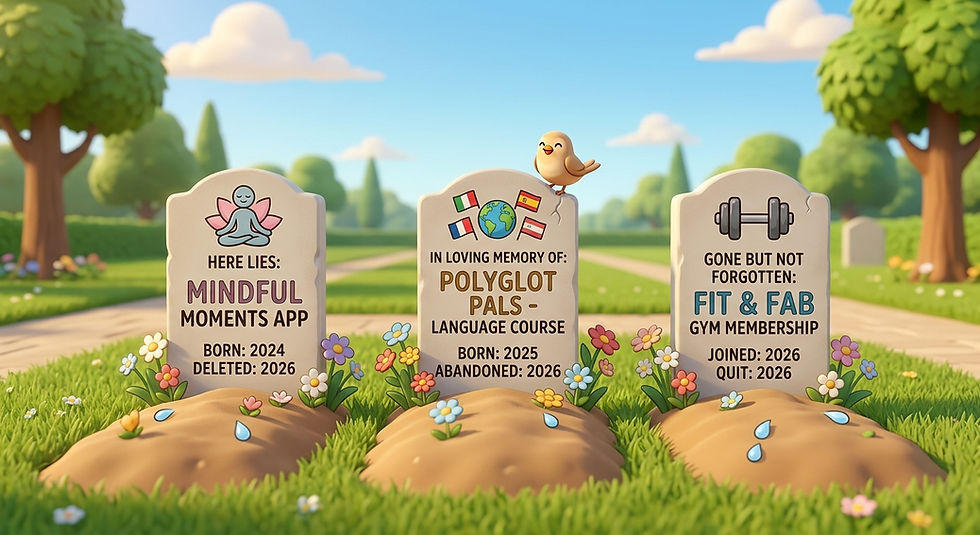
In my experience, wellbeing efforts are frequently unfocused and undertaken by people who are very well-meaning but have little or no background in wellbeing or behavioral transformation. As a result, 3 hours a week/156 hours a year (almost 20 full days) are invested in a collection of random activities that are fun at first but can quickly become a barrier to the work of the team; then Bob/Tamsin puts themselves under increasing pressure to keep things interesting and engaging despite ‘wellbeing’ becoming more of a chore for everyone involved, and they wish they’d never started any of this wellbeing-rubbish in the first place; and one year (and 156 hours) later, there is no quantitative increase in anything and no-one has any appetite for wellbeing (“or the ‘W’ word, as it has to be called from now on).
When ‘wellbeing’ becomes a catch-all for general activities that the team might find fun or engaging, it prevents real, necessary wellbeing initiatives from succeeding.
Start your wellbeing journey by clearly defining what the term means for your team, and identifying the specific behavior or aspect you intend to change. What does a successful change look like? How does this fit in with the larger goals or strategic priorities of your team/organization? Think about metrics. How will you know when you’ve achieved your goal? Is there an established measure you can use, or do you need to create a scale to establish your baseline and then demonstrate impact? And no matter how large or small the initiative, consider developing a change management plan – as a Prosci certified change management practitioner, I’m a fan of the ADKAR model.
And finally, be prepared to fail. We all know that change is hard, and wellbeing-related change is no different. It’s easy to email a newsletter twice a month. It’s much more difficult to implement a job description review, complete with clearly banded role responsibilities and competencies to ensure everyone on the team has a clear understanding of their position and how this integrates with those of their colleagues to collectively achieve departmental or organizational goals.
At well at work, we don’t know much about quantum mechanics (other than what we learned from the Marvel movies), but we do know about designing, implementing, and evaluating wellbeing programs. So, if you don’t want to go it alone, click the button below to reach out and we can talk about your goals. Or Marvel movies. Your choice.


Comments